
Research
R&D for Enhanced Earthquake Resistance
To enhance Japan’s resilience against major earthquake disasters, we utilize E-Defense to conduct experiments that reproduce earthquake damage and demonstrate and evaluate the seismic performance of structures and related mitigation technologies. Through these activities, we advance earthquake disaster mitigation technologies and strengthen social infrastructure. We also carry out research on seismic performance assessment using simulation techniques to further improve these technologies.
Elucidating the collapse process of structures
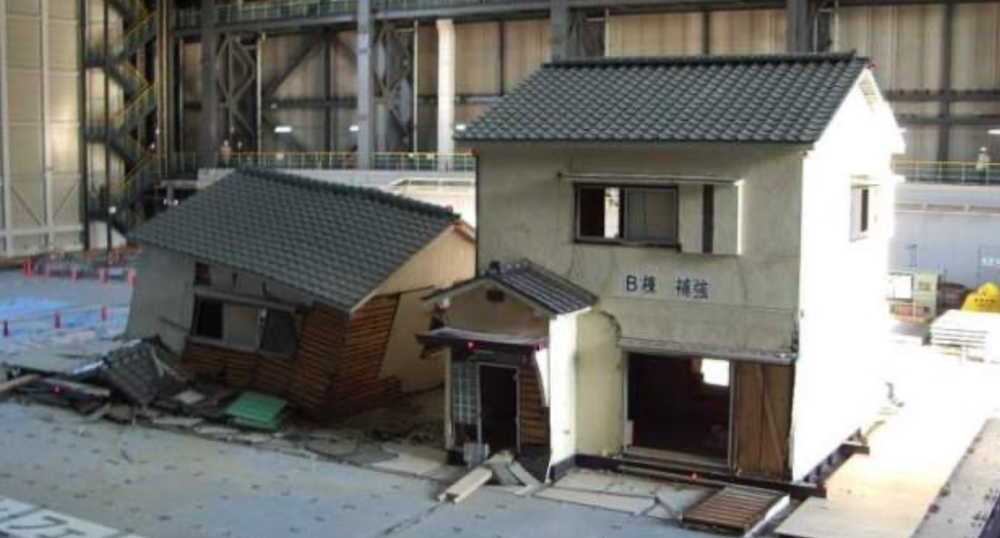
Acquisition of Data for Elucidating the Destruction Mechanisms of Buildings Constructed under old Earthquake Resistant Standards
- Conducted on wooden houses, reinforced concrete buildings, steel-frame buildings, and other structures.
- Collected data and video footage on the processes of damage and collapse of buildings subjected to the shaking experienced during the Kobe Earthquake.
- Verified retrofitting technologies and evaluation methods.
Verification of Seismic Performance and Countermeasure Technologies
Demonstrating the Effectiveness of Buildings under Current Standards, Identifying Issues and Developing Countermeasure Technologies
- Conducted experiments on reinforced concrete and steel buildings.
- Demonstrated that buildings would not collapse even under the shaking of the Kobe Earthquake.
- Developed supporting technologies for continued use of buildings.
Evaluating the Ability of Buildings to Maintain Function
Demonstrating the Impact on Building Functions and the Effectiveness of Countermeasure Technologies
- Conducted experiments with furnished indoor spaces to evaluate impacts on building functions.
- Obtained video data of indoor damage alongside building response.
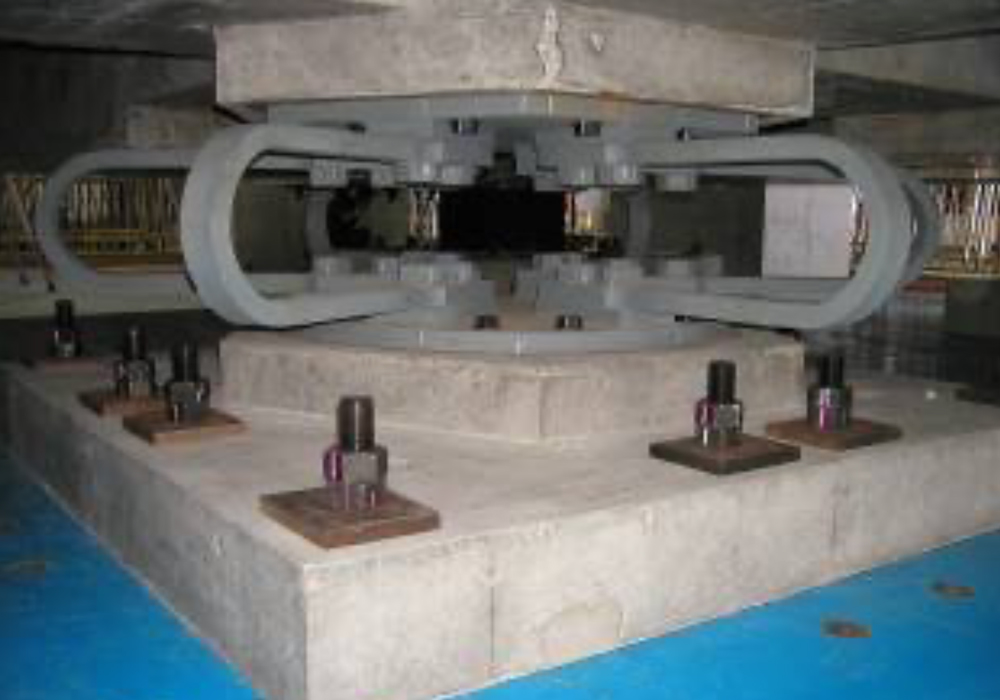
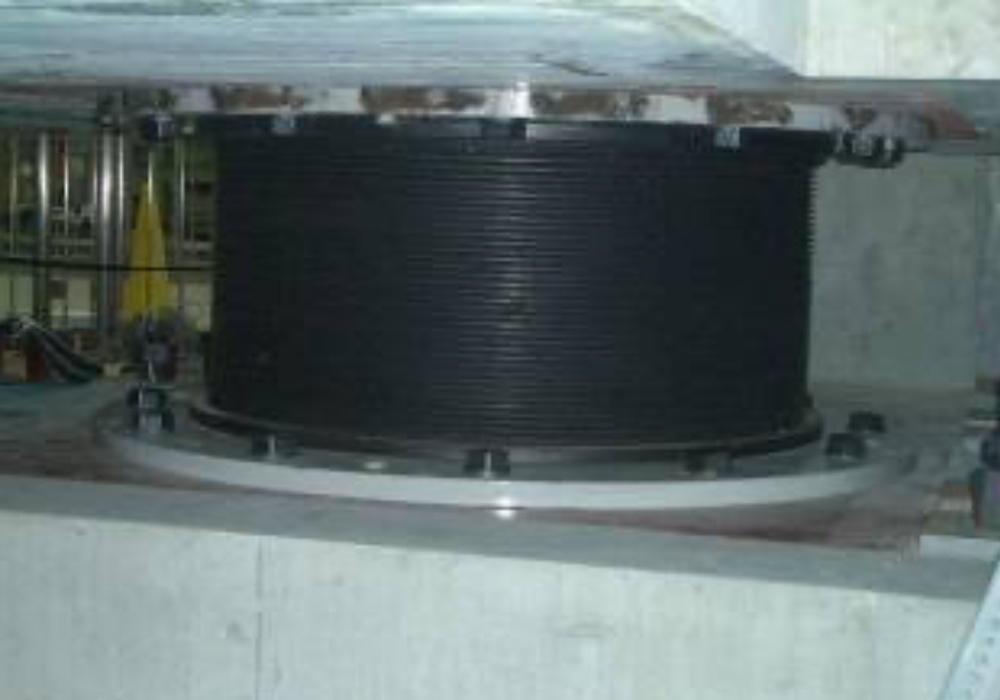
- Demonstrated the effectiveness of seismic isolation structures and highlighted issues and countermeasures for long-period ground motions.
Development of High-Precision Analysis Technologies
R&D on Detailed FEM, Pre- and Post-Processing, and Fundamental Technologies
- Improved the ability to reproduce damage behavior of buildings and other structures.
- Established pre- and post-processing technologies necessary for using multi-point measurement data in verification and validation (V&V).
- Developed a general-purpose mesh generation algorithm.
Main Experiments
Understanding failure
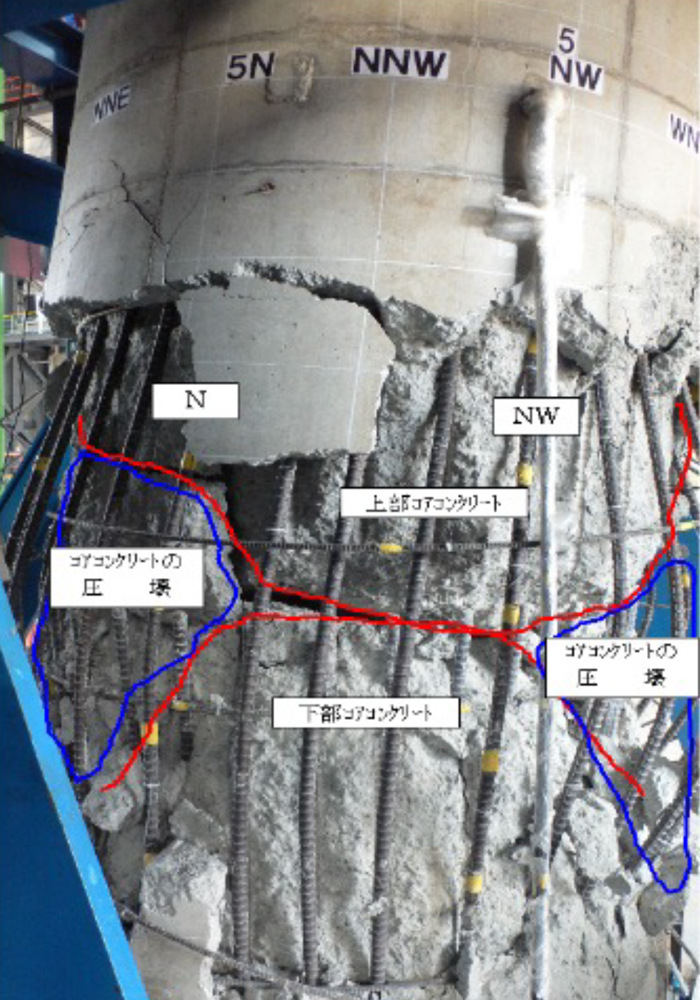
We obtained realistic data to clarify the mechanisms of failure.
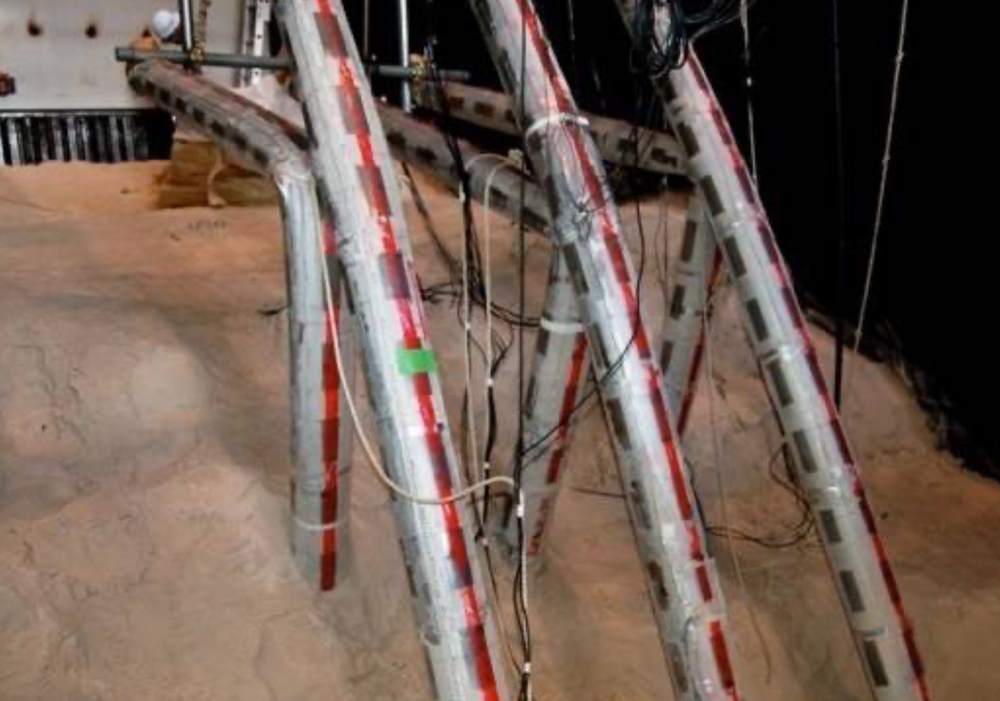
Data obtained for clarifying the failure processes of buildings constructed under outdated standards that could not withstand the Kobe Earthquake.
- Verified the reliability of countermeasure technologies.
Also obtained data on steel buildings, pile foundations, liquefied ground, and road bridge piers.
Protecting Building Functionality
Demonstrating the reliability of technologies that preserve functionality.
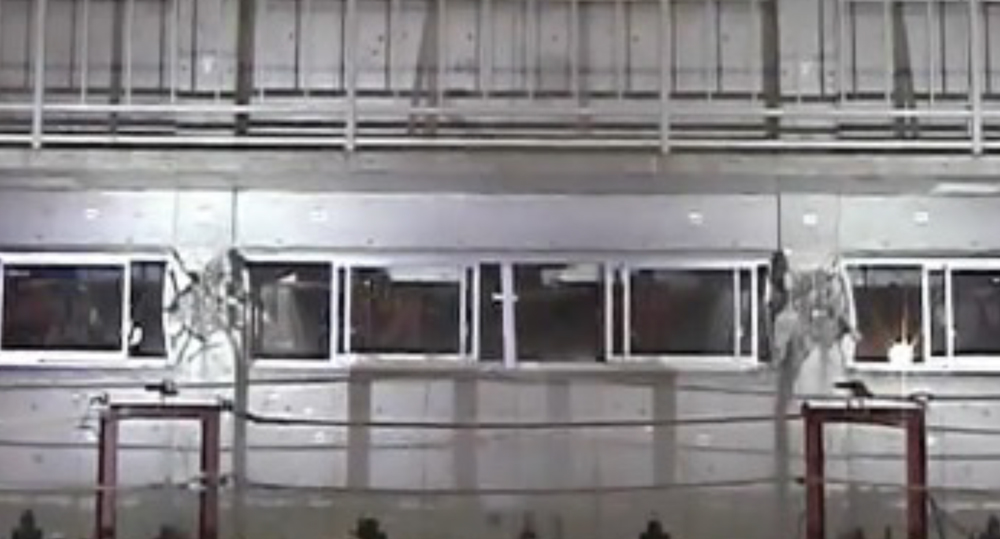
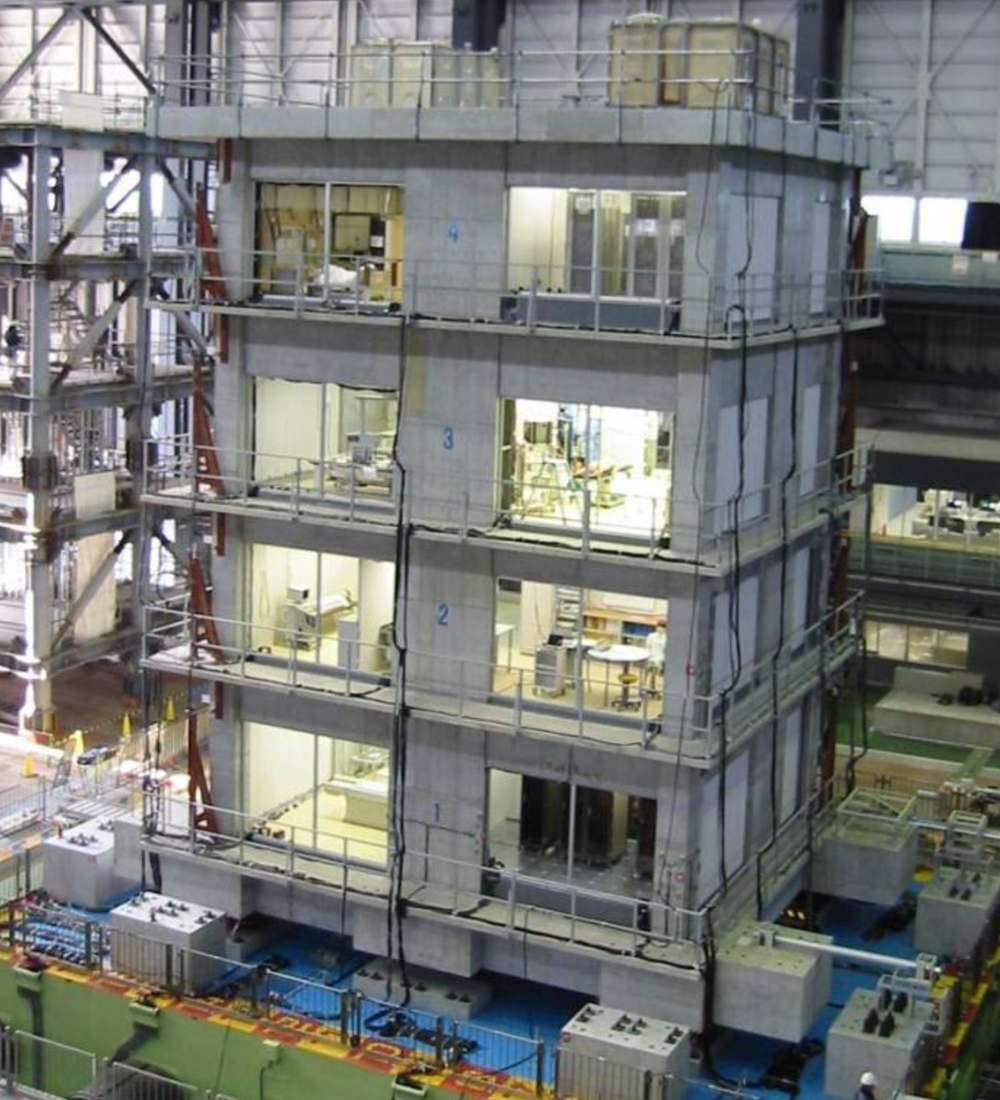
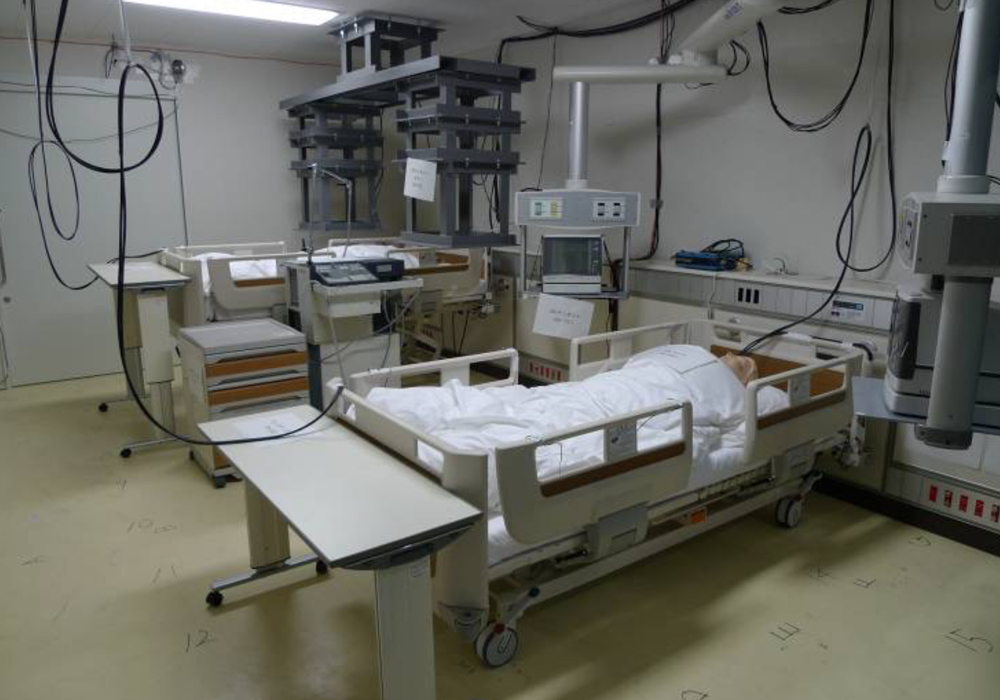
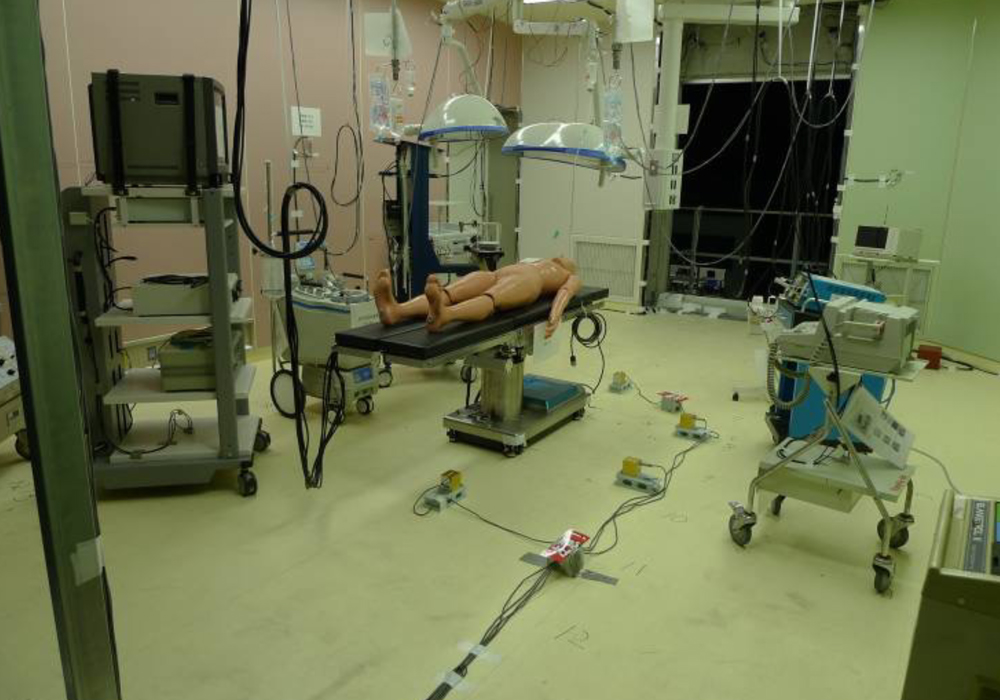
Evaluating the ability of medical facilities to remain operational during earthquake disasters.
- Verified the ability of seismic isolation structures to reduce the transmission of strong shaking.
- Compared indoor responses of buildings with seismic resistance and seismic isolation structures.
- Compared shaking caused by near-fault earthquakes and long-period ground motions.
Protecting Business Continuity
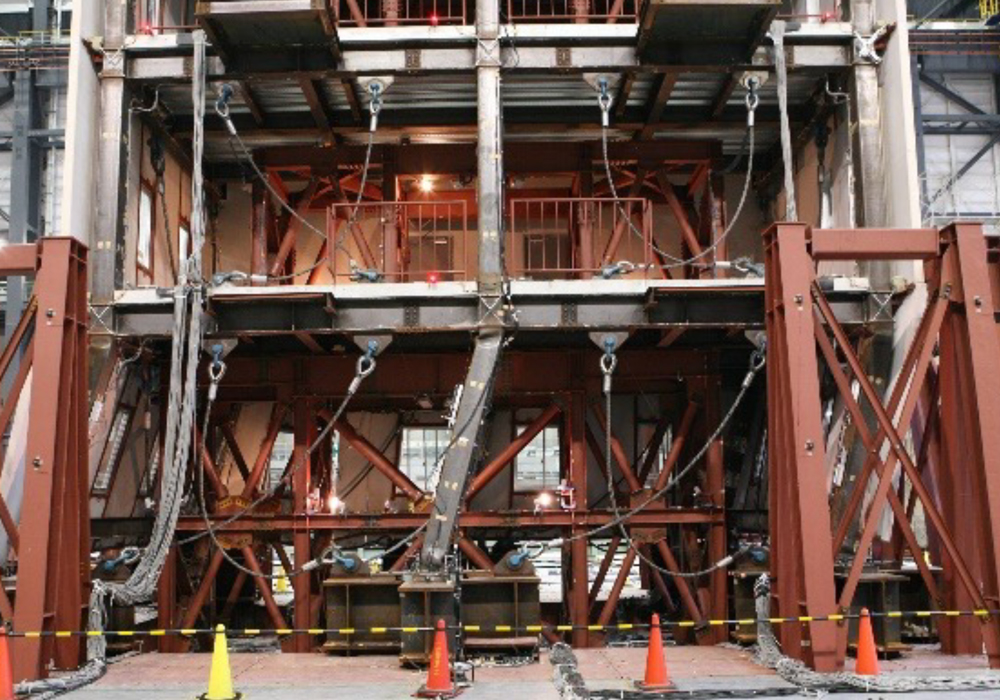
Proposed technologies to ensure continued use after massive earthquake.
Demonstration of damage-reducing technologies.
- Verified the reliability of design methods for columns and beam joints that minimize damage and enable continued use after major earthquakes.

Protecting Spatial Behavior
Next step: Protecting people’s activity spaces.
Based on the damage observed during massive earthquakes at E-Defense:
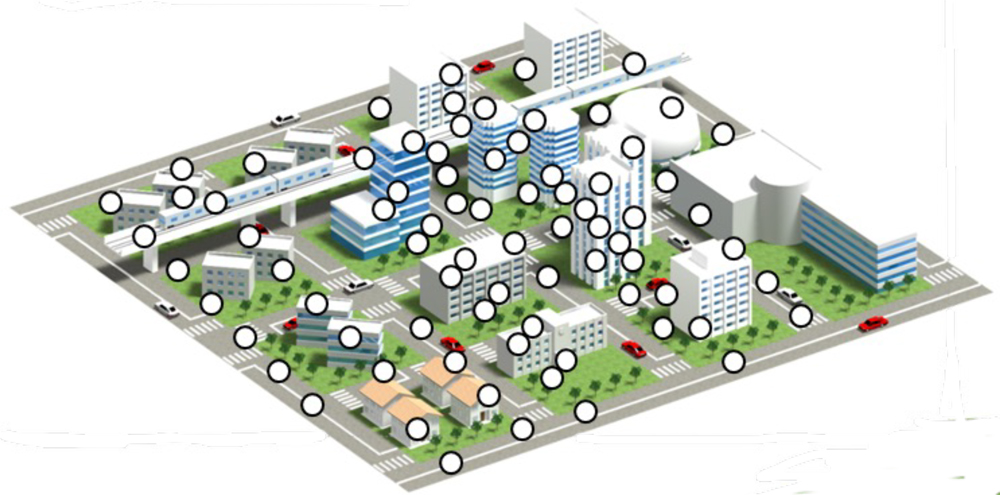
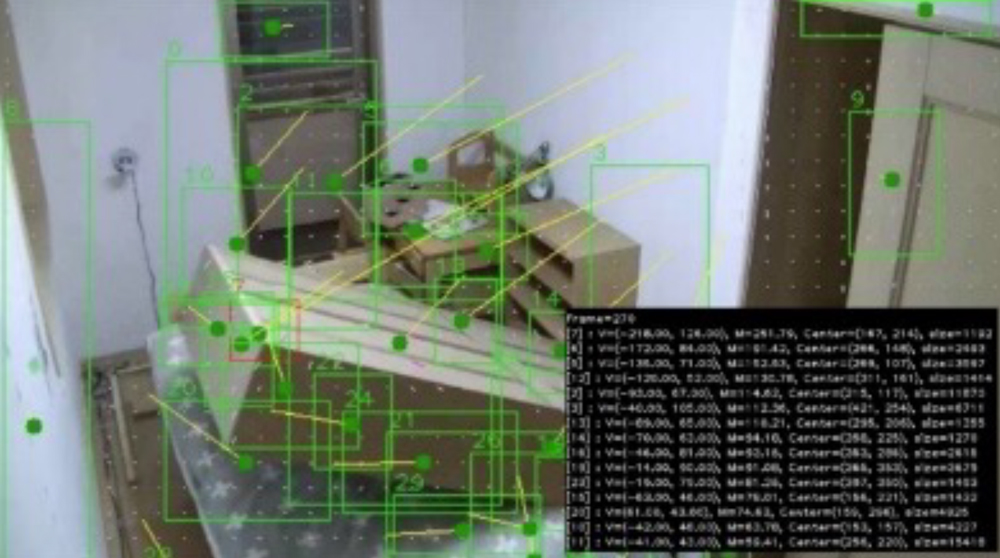
- Toward the development of technologies to understand damage to people’s activity spaces.
- Toward the development of technologies to analyze risks to people’s activity spaces.
Eliminating Shaking
Next step: Protecting “things” by preventing shaking from being transmitted.
Toward the development of technologies that dramatically reduce shaking at seismic intensity 7 (on the Japanese seismic scale).
- Significantly reduces the forces acting on structures during earthquakes through a three-dimensional base isolation system.
- Technology that protects valuable “things”.
